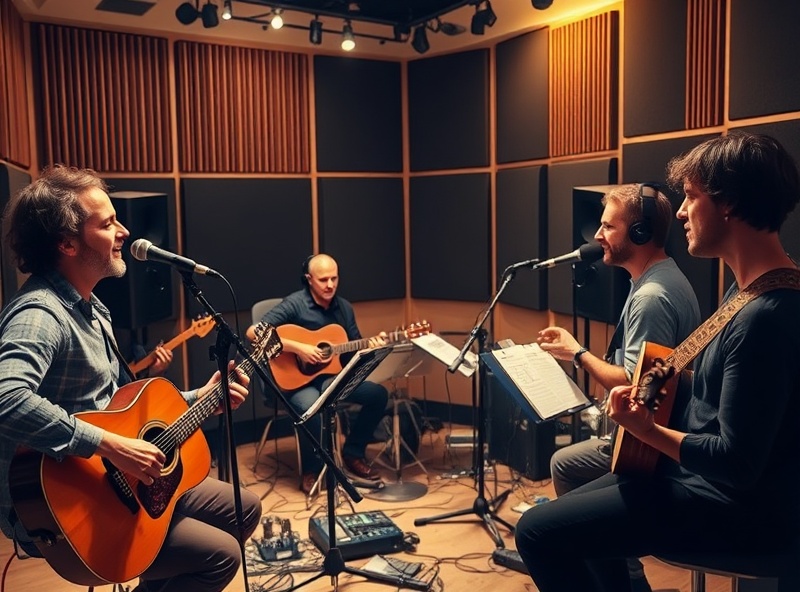
Commissioning Original Music: Creating Custom Compositions for Your Project
Guide to commissioning original music for film, advertising, and multimedia. Learn briefs, budgets, timelines, and how to work with composers effectively.
Why Commission Original Music?
Commissioning original music offers significant advantages over licensed music:
Creative Control
- Exactly match your vision and creative intent
- Custom instrumentation and arrangement
- Unique sonic identity not shared with competitors
- Flexibility to modify and iterate
Exclusivity
- Your music is yours alone
- No competing projects using same score
- Strong brand differentiation
- Ownership of intellectual property
Perfect Technical Fit
- Exact timing and cue specifications
- Integration with dialogue and effects
- Custom loudness and mixing specifications
- Stems and formats you specifically need
Artist Relationship
- Direct collaboration with creative professional
- Potential for ongoing partnership
- Support independent artists
- Personal creative connection
Understanding the Commissioning Process
Phase 1: Briefing and Concept
Create a Detailed Brief Including:
- Project description (what is this for?)
- Target audience demographics
- Desired emotional tone and mood
- Reference films/music that inspire direction
- Key moments needing specific music (cue list)
- Technical specifications (duration, format, stems)
- Budget and timeline
- Specific requirements (instrumentation, style, historical period, etc.)
Example brief structure:
- Project name and type
- 2-3 sentence story/concept summary
- Target audience description
- 3-5 reference scores or songs
- Mood/emotional arc (e.g., “starts mysterious, builds to triumphant”)
- Specific cue list with timings and descriptions
- Must-haves and “nice-to-haves”
- Budget and payment structure
- Timeline and milestones
Phase 2: Composer Selection
Finding Composers
- Online platforms: Upwork, Fiverr, Soundly
- Industry networks: Ask fellow filmmakers for recommendations
- College/university contacts: Music schools and composition programs
- Social media: Search composers’ portfolios and reels
- Specialized services: Music production companies
Evaluating Candidates
- Review portfolio and past work
- Listen to stylistic range and versatility
- Check timelines and availability
- Understand their process and communication style
- Review testimonials from previous clients
- Confirm experience with your project type
Phase 3: Negotiation and Contract
Key Terms to Discuss
- Total fee: Full project cost
- Payment schedule: Upfront, milestones, on delivery
- Revisions: Number of revision rounds included
- Timeline: Composition start, delivery milestones, final delivery date
- Deliverables: Format, stems, revisions capability, future use
- Ownership: Who owns the composition and master recording
- Credits: How composer will be credited
- Exclusivity: Is this music exclusive to your project?
- Options: First refusal for future projects, ongoing relationship possibilities
Written Agreement Should Specify:
- Scope of work (which cues, total duration)
- Payment terms and schedule
- Revision rounds and change orders
- Delivery format and specifications
- Intellectual property ownership
- Credit requirements
- Termination and dispute resolution clauses
Phase 4: Creative Development
Initial Composition Phase
- Composer receives detailed brief and reference materials
- Creates initial mockups or concepts (often 1-3 directions)
- You provide feedback and direction
- Composer refines preferred direction
Iteration and Refinement
- Composer develops full arrangements
- Multiple revision rounds (typically 2-4)
- Feedback loop: You provide specific notes, composer adjusts
- Evolve until you’re satisfied with core composition
Technical Development
- Composer produces final master quality versions
- Delivers required stems (dialogue, music, effects separate)
- Creates alternates (instrumental, edit-friendly versions)
- Provides all technical specifications (loudness, format, duration)
Phase 5: Delivery and Implementation
Final Deliverables Typically Include
- Full stereo mix of all cues
- Separate stems (for flexibility in final mix)
- Instrumental versions (if vocals included)
- Alternative versions (shorter, longer, variations)
- Technical specifications (loudness, format, technical specs)
- Metadata and cue sheets
- High-resolution masters for archiving
Integration
- Receive final music files
- Import into your editing/mixing software
- Finalize balance with dialogue and effects
- Mix to final specifications for your platform
- Test on multiple playback systems
Budgeting for Original Music Composition
Cost Factors
Project Type
- Commercial/advertising: $2,000-20,000
- Short film: $500-5,000
- Documentary: $1,000-10,000
- Feature film: $10,000-100,000+
- Video game: $3,000-30,000 per track
Scope of Work
- Total duration of music (10 minutes costs more than 3 minutes)
- Number of distinct cues (more cues = more work)
- Instrumentation (full orchestra more expensive than solo instrument)
- Complexity (intricate arrangements cost more than simple)
Composer Experience
- Entry-level: $500-2,000 per project
- Mid-level professionals: $2,000-10,000
- Award-winning/established: $10,000-100,000+
- Industry veterans: $100,000+
Turnaround Time
- Tight timeline: Higher costs (rush fees)
- Standard timeline: Regular rates
- Extended timeline: Potentially lower rates (more flexibility)
Budget Allocation Example
For a 30-second commercial ($5,000 budget):
- Composition/arrangement: $2,500
- Recording (if live instruments): $1,500
- Mixing/mastering: $1,000
For a short film ($3,000 budget):
- Composition (3-5 minutes): $1,500
- Mock-ups and revisions: $800
- Final production/mastering: $700
For a feature film ($30,000 budget):
- Composition (60-90 minutes): $15,000
- Orchestration (if needed): $5,000
- Recording/production: $7,000
- Mixing/mastering: $3,000
Communication with Composers
Clear Briefs Prevent Problems
- Vague briefs lead to revisions and frustration
- Specific examples and references essential
- Be honest about constraints (budget, time, technical)
- Communicate priorities clearly
Effective Feedback
Good feedback:
- “This section feels too dark for the emotional beat here”
- “The tempo should match the action sequence—faster, with more energy”
- “Reference how [composer X] handled similar moment”
Unhelpful feedback:
- “I don’t like it”
- “Make it better”
- “More epic”
- Vague emotional descriptors without context
Revision Management
- Typically 2-4 revisions included in fee
- Changes beyond scope may incur additional costs
- Changes become expensive late in process
- More revision rounds upfront prevent expensive late changes
Timeline Planning
Realistic Timeline Breakdown
3-Month Project (recommended minimum)
- Week 1-2: Brief preparation, composer selection
- Week 3-4: Composer onboarding, reference sharing
- Week 5-8: Initial concepts and feedback
- Week 9-10: Revisions and refinement
- Week 11: Final production and delivery
- Week 12: Integration and final tweaks
1-Month “Rush” Project
- Week 1: Brief, selection, onboarding (all compressed)
- Week 2: Initial concepts and rapid feedback
- Week 3: Revisions
- Week 4: Final production
6-Month Project (higher quality, more flexibility)
- Extended timeline allows deeper collaboration
- More revision rounds possible
- Composer can record live musicians
- Higher quality end result
Red Flag: Unrealistic Timelines
- 1-2 weeks for full film score is very rushed
- Quality suffers with insufficient time
- Expect higher rush fees
- Consider if compressed timeline aligns with budget
Composer Agreements and Legal
Essential Contract Clauses
Scope of Work
- Specific cues and total duration
- Instrumentation and production approach
- Number of revision rounds
- What’s included and what costs extra
Payment Terms
- Total project fee
- Payment schedule (e.g., 50% upfront, 50% on delivery)
- Late payment penalties (if any)
- Change order procedures for scope changes
Intellectual Property
- Who owns the composition (usually composer initially)
- Who owns the recording/master
- Whether you can re-use music in marketing
- Future rights (can you modify or extend?)
Delivery and Format
- Specific deliverables (stems, formats, versions)
- Technical specifications
- Deadline and penalties for late delivery
- Storage and archival requirements
Exclusivity
- Is the music exclusive to your project?
- Can composer use it for portfolio/promotion?
- Territorial restrictions (if any)
- Duration of exclusivity
Credits and Attribution
- How composer will be credited
- Placement in credits
- Logo/link rights (for portfolio)
When to Use an Attorney
- Major budget projects ($50,000+)
- Complex rights situations
- Potential for significant disputes
- Multiple parties with conflicting rights
- International or cross-border projects
For smaller projects, clear written agreement (even email) usually sufficient.
Working Effectively with Composers
What Composers Need from You
- Clear, detailed creative brief
- Reference materials and examples
- Timely feedback and direction
- Professional communication
- Fair compensation for scope
- Realistic timelines
What You Should Expect from Composers
- Professional delivery and communication
- Quality that matches their portfolio
- Timely revisions and updates
- Technical mastery and professionalism
- Clear documentation of process
- Respect for your creative vision
Building Long-Term Relationships
- Treat composers fairly and professionally
- Provide constructive feedback, not criticism
- Compensate adequately for the work
- Provide credit and promotion
- Refer other opportunities when possible
- Respect their creative input
Rights and Ownership
Typical Ownership Models
Work-for-Hire
- Client owns all rights to composition and recording
- Composer waives future rights
- Higher cost due to rights transfer
- Common for commercial and corporate projects
Licensing Agreement
- Composer retains ownership
- You get license to use for your project
- Composer can license elsewhere
- Lower cost, limited rights
Hybrid Approach
- You own exclusive rights for specific territory/platform
- Composer can license elsewhere with restrictions
- Composer retains some rights (portfolio, promotion)
- Balanced approach for many projects
International Rights
- Rights may differ by country
- Some territories have different copyright rules
- Composer may need separate agreements per territory
- Budget for additional licensing costs internationally
Alternatives to Custom Composition
Licensed Music Libraries
- Pre-composed, professionally produced music
- Lower cost ($50-500+ per track)
- Immediate availability
- Limited exclusivity options
Royalty-Free Music
- One-time payment, no ongoing royalties
- Large catalogs available
- May feel generic or familiar
- Good for budget-conscious projects
Hybrid Approach
- Compose key original cues
- License library music for secondary scenes
- Balance originality with budget
- Combines best of both approaches
Conclusion
Commissioning original music creates unique, perfectly-fitted soundtracks that elevate your projects. By crafting clear briefs, selecting the right composer, establishing clear agreements, and fostering collaborative communication, you’ll create original music that serves your project’s vision.
The investment in custom composition often proves worth the cost through creative distinction, perfect technical fit, and the satisfaction of supporting working musicians and composers. Whether you’re working with a student composer building their portfolio or an established industry professional, the process of collaboration and creation can yield transformative results for your project.